
New-home communities in the foothills
New homes built around the real decisions buyers make: community, floorplan, move-in timing, and what daily life nearby will feel like.
Briarwood Homes needs the site to behave like a true community finder, not a brand brochure. People compare neighborhood setting, school district, floorplan fit, and quick move-in timing all at once.
Community pages need to sell setting, not just availability
The homepage intentionally sends traffic toward Fox Run, the flagship floorplan at The Rainier, the fast-moving Lot 17 quick move-in, and the school-context guide for Snoqualmie School District.

The Rainier floorplan
Review the plan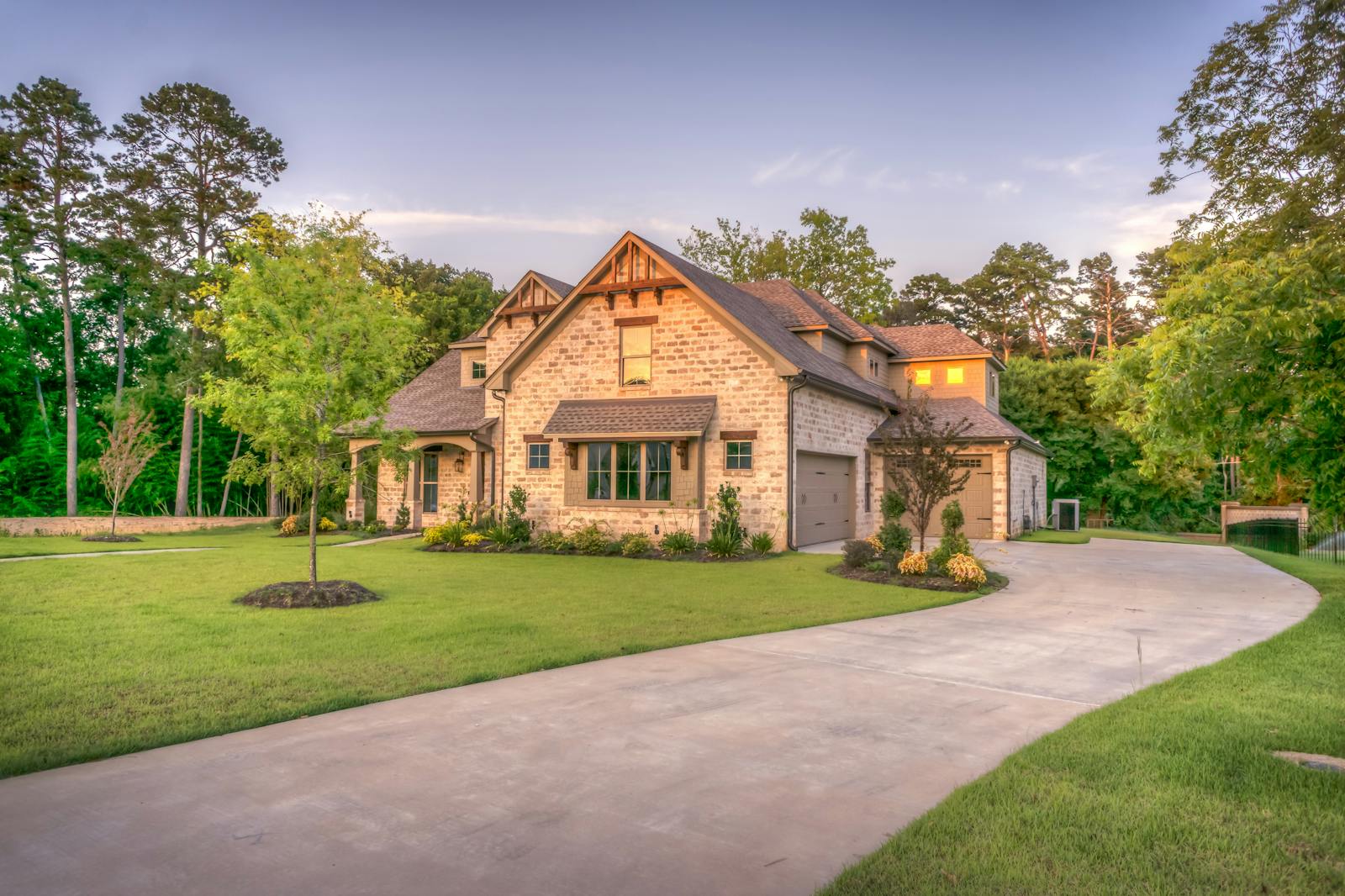
Lot 17 move-in-ready home
See the inventory homeBuilder content has to support both dreaming and operational decisions
Buyers want a polished emotional picture, but they also want schools, commute clues, design-center context, and whether one specific lot might close in time.
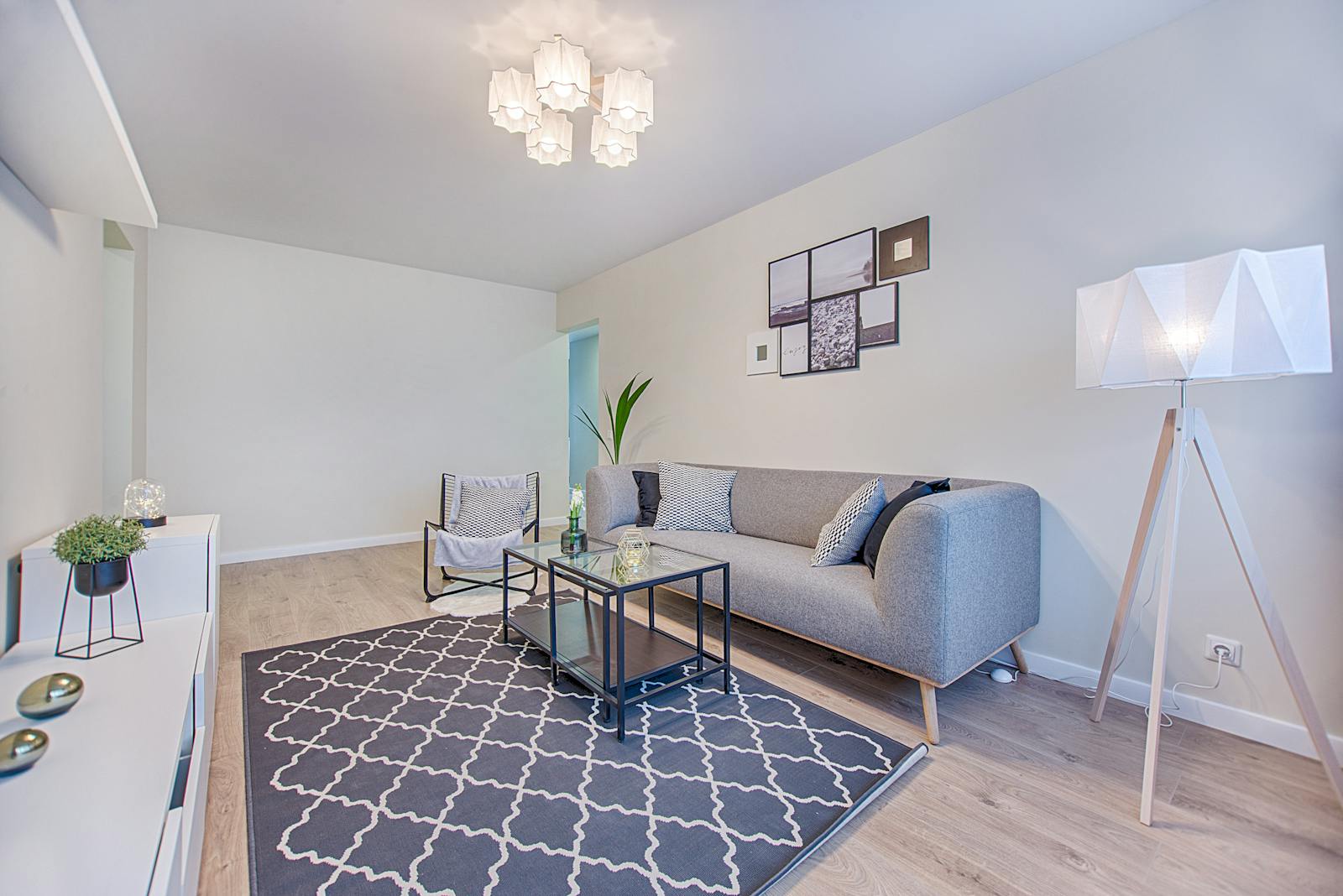
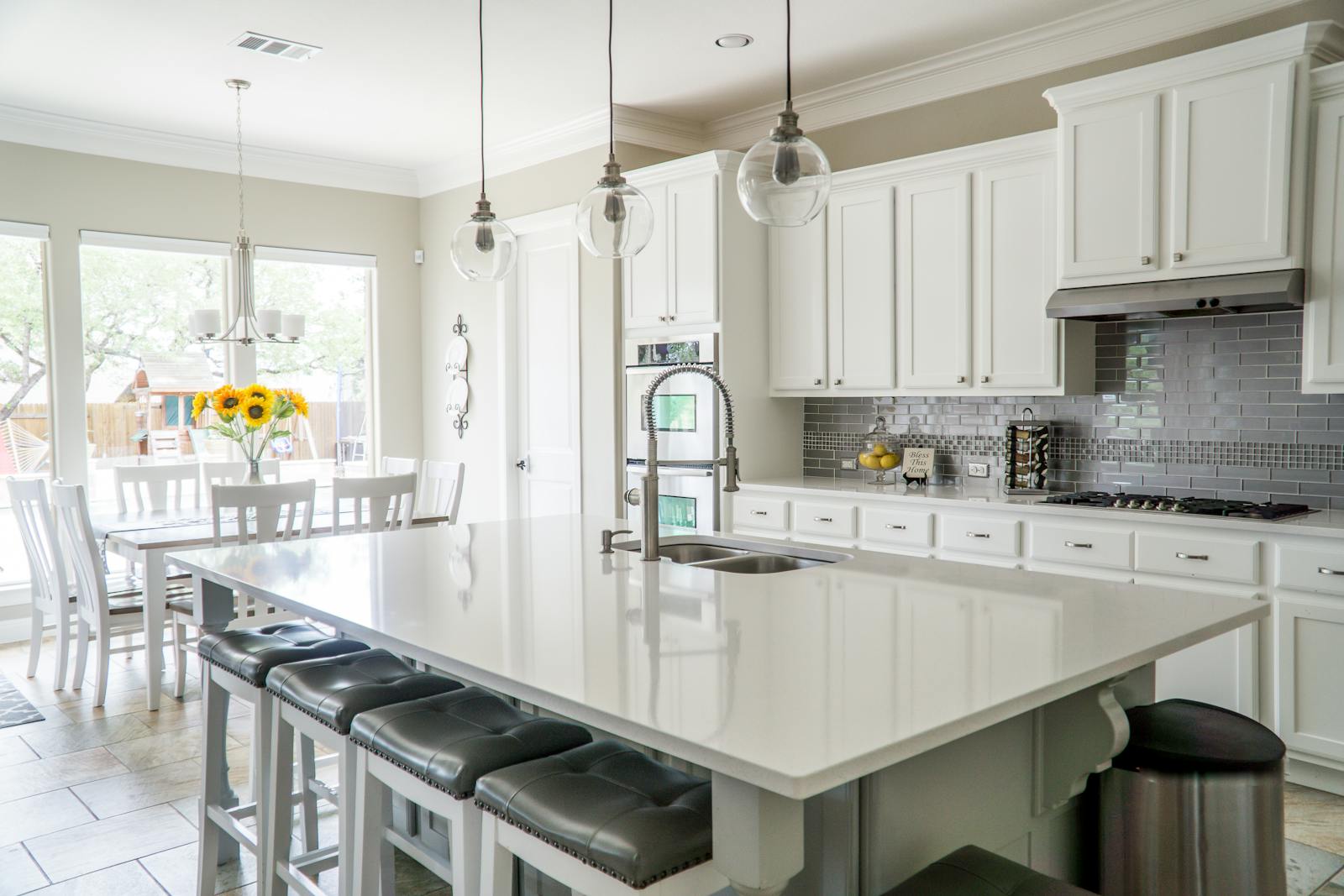

The site is intentionally over-connected between community, floorplan, and area-guide routes
| Entry path | Next click | Why the loop exists |
|---|---|---|
| Community page | flagship floorplan | buyers want to know what can actually be built there |
| Floorplan page | quick move-in | some shoppers pivot from plan love to time-sensitive inventory |
| Area guide | community page | schools and daily-life context are often the deal filter |
Support routes still matter late in the decision
Financing, warranty, and design-gallery routes show up later, but they still help a buyer decide whether the builder feels organized and trustworthy enough for a six-figure decision.
Start with community or school context
Many buyers begin with location, commute, or schools rather than a floorplan name.
Compare floorplan and move-in timing
The right plan can lose if the delivery window does not line up with the buyer's life.
Finish on support and tour behavior
Financing, design, and warranty routes reassure buyers that the operation is real, not just the marketing photography.
Common friction points
Why give area guides so much prominence?
Because school district and neighborhood setting are often the real starting point for family buyers, not the builder name.
Why does inventory get its own lane?
Quick move-ins carry very different urgency and conversion behavior than plan or community research alone.